



Your feet are covered most of the day. If you're diabetic, periodic screening is important for good health. Numbness is often a sign of diabetic foot and can mask a sore or wound.
Your feet are covered most of the day. If you're diabetic, periodic screening is important for good health. Numbness is often a sign of diabetic foot and can mask a sore or wound.

Numbness in the feet can develop from several causes related to nerve function, circulation, or underlying conditions. One common cause is peripheral neuropathy, which affects the nerves responsible for sensation, and can interfere with how the feet detect touch, temperature, and pain. The nerves play an important role in balance and protection, so when they are impaired, individuals may notice tingling, burning, or a reduced ability to feel the ground when walking. Causes include diabetes, prolonged pressure on nerves, injury, or poor circulation. Symptoms can develop gradually and may worsen over time, increasing the risk of unnoticed cuts or sores. A podiatrist can evaluate sensation and circulation through an examination ,and may recommend further testing, if needed. Treatment focuses on managing the underlying cause and protecting the feet. It also aims to improve function through supportive care and targeted exercises. If you have numbness in your feet, it is suggested that you schedule an appointment with a podiatrist for an accurate diagnose and appropriate treatment.
Neuropathy
Neuropathy can be a potentially serious condition, especially if it is left undiagnosed. If you have any concerns that you may be experiencing nerve loss in your feet, consult with John Horlebein, DPM from Northern Cascades Foot & Ankle, LLC. Our doctor will assess your condition and provide you with quality foot and ankle treatment for neuropathy.
What Is Neuropathy?
Neuropathy is a condition that leads to damage to the nerves in the body. Peripheral neuropathy, or neuropathy that affects your peripheral nervous system, usually occurs in the feet. Neuropathy can be triggered by a number of different causes. Such causes include diabetes, infections, cancers, disorders, and toxic substances.
Symptoms of Neuropathy Include:
Those with diabetes are at serious risk due to being unable to feel an ulcer on their feet. Diabetics usually also suffer from poor blood circulation. This can lead to the wound not healing, infections occurring, and the limb may have to be amputated.
Treatment
To treat neuropathy in the foot, podiatrists will first diagnose the cause of the neuropathy. Figuring out the underlying cause of the neuropathy will allow the podiatrist to prescribe the best treatment, whether it be caused by diabetes, toxic substance exposure, infection, etc. If the nerve has not died, then it’s possible that sensation may be able to return to the foot.
Pain medication may be issued for pain. Electrical nerve stimulation can be used to stimulate nerves. If the neuropathy is caused from pressure on the nerves, then surgery may be necessary.
If you have any questions, please feel free to contact our office located in Chelan, WA . We offer the newest diagnostic and treatment technologies for all your foot care needs.

Sever's disease affects children and teens, causing pain in the heel due to inflammation of the growth plate where the Achilles tendon attaches. It often develops during periods of rapid growth or increased physical activity, placing repeated stress on the heel. Symptoms include heel pain that worsens with running, jumping, or prolonged standing. Swelling and tenderness at the back of the heel are other symptoms. Risk factors include participation in sports, tight calf muscles, flat feet, and improper footwear that does not provide adequate support. Without proper care, discomfort may limit activity and affect mobility. A podiatrist can help by assessing foot mechanics, recommending supportive footwear or orthotics, and providing treatment to relieve pain. If your active child has heel pain, it is suggested that you consult a podiatrist who can offer appropriate relief solutions.
Sever's disease often occurs in children and teens. If your child is experiencing foot or ankle pain, see John Horlebein, DPM from Northern Cascades Foot & Ankle, LLC. Our doctor can treat your child’s foot and ankle needs.
Sever’s Disease
Sever’s disease is also known as calcaneal apophysitis, which is a medical condition that causes heel pain I none or both feet. The disease is known to affect children between the ages of 8 and 14.
Sever’s disease occurs when part of the child’s heel known as the growth plate (calcaneal epiphysis) is attached to the Achilles tendon. This area can suffer injury when the muscles and tendons of the growing foot do not keep pace with bone growth. Therefore, the constant pain which one experiences at the back of the heel will make the child unable to put any weight on the heel. The child is then forced to walk on their toes.
Symptoms
Acute pain – Pain associated with Sever’s disease is usually felt in the heel when the child engages in physical activity such as walking, jumping and or running.
Highly active – Children who are very active are among the most susceptible in experiencing Sever’s disease, because of the stress and tension placed on their feet.
If you have any questions, please feel free to contact our office located in Chelan, WA . We offer the newest diagnostic and treatment technologies for all your foot care needs.
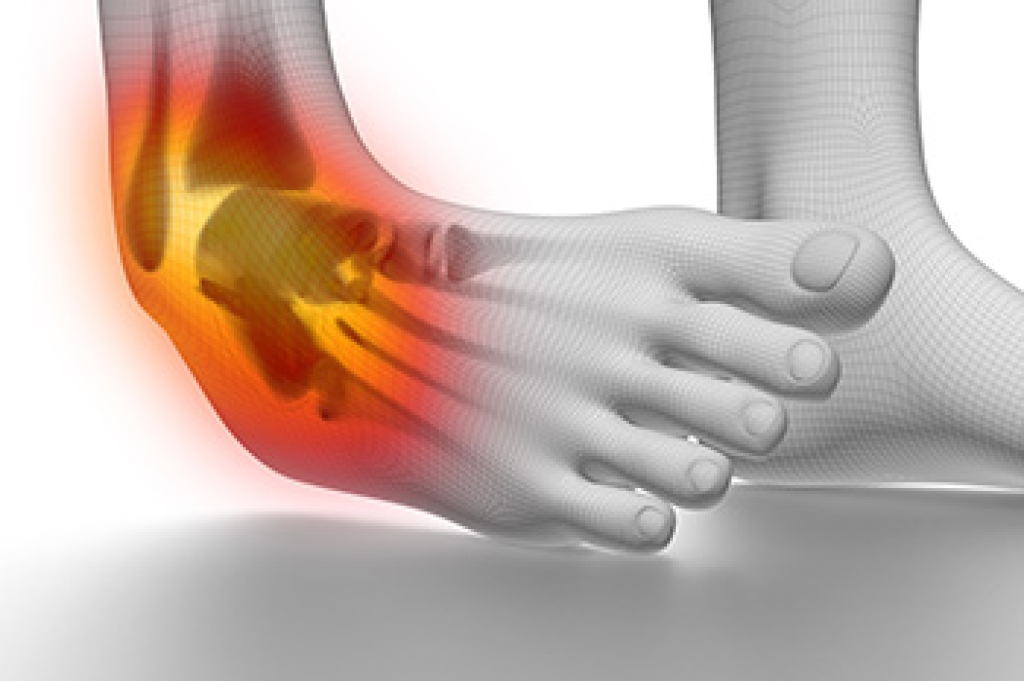
An ankle sprain can happen suddenly with a twist, misstep, or fall. It often causes pain, swelling, and difficulty putting weight on the foot. Early care focuses on protecting the joint and reducing swelling. Resting the ankle, using light compression, and elevating the foot can help control discomfort in the first few days. Support may be needed to allow healing. This can include a brace, wrap, or short period of limited weight-bearing. As pain improves, gentle movement and strengthening exercises are introduced to restore stability and prevent future sprains. In more severe cases, imaging may be used to check for additional damage, and a longer period of support may be required. Recovery takes time and proper care is important. If pain, swelling, or instability continues after an ankle sprain, it is suggested that you see a podiatrist for a thorough evaluation and appropriate treatment.
Although ankle sprains are common, they aren’t always minor injuries. If you need your ankle injury looked at, contact John Horlebein, DPM from Northern Cascades Foot & Ankle, LLC. Our doctor can provide the care you need to keep you pain-free and on your feet.
How Does an Ankle Sprain Occur?
Ankle sprains are the result of a tear in the ligaments within the ankle. These injuries may happen when you make a rapid shifting movement while your foot is planted. A less common way to sprain your ankle is when your ankle rolls inward while your foot turns outward.
What Are the Symptoms?
Preventing a Sprain
Treatment of a Sprain
In many cases, the RICE method (Rest, Ice, Compression, and Elevate) is used to treat ankle sprains. However, you should see a podiatrist to see which treatment option would work best with your injury. In severe cases, surgery may be required.
It is important to ask your doctor about rehab options after you receive treatment for your injury. Stretching, strength training, and balance exercises may help the ankle heal while also preventing further injury.
If you have any questions, please feel free to contact our office located in Chelan, WA . We offer the newest diagnostic and treatment technologies for all your foot care needs.
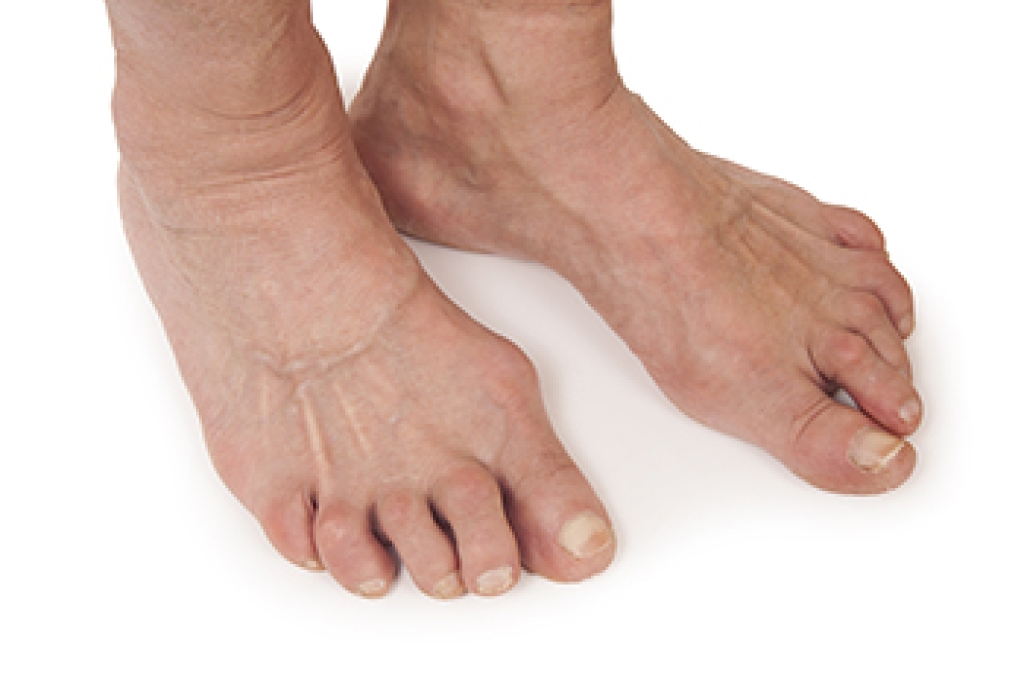
Rheumatoid arthritis is an inflammatory condition that can significantly affect the joints of the feet and ankles. Because each foot contains many small joints, this disease often causes pain, stiffness, and swelling in the toes and the front of the foot. Many patients notice morning stiffness that improves slowly as the day progresses. The joints may appear swollen or warm, and over time the toes can shift out of their normal position, sometimes creating bunions or hammertoes. Walking may become uncomfortable as pressure points develop on the ball of the foot. Rheumatoid arthritis occurs when the immune system mistakenly attacks the lining of the joints, leading to ongoing inflammation and joint damage. A podiatrist can help identify how the condition is affecting the feet through examination and imaging when needed. Treatment may include supportive footwear, custom orthotics, protective padding, and targeted exercises to maintain joint mobility. If you have rheumatoid arthritis affecting your feet, it is suggested that you make an appointment with a podiatrist.
Because RA affects more than just your joints, including the joints in your feet and ankles, it is important to seek early diagnosis from your podiatrist if you feel like the pain in your feet might be caused by RA. For more information, contact John Horlebein, DPM of Northern Cascades Foot & Ankle, LLC. Our doctor will assist you with all of your podiatric concerns.
What Is Rheumatoid Arthritis?
Rheumatoid Arthritis (RA) is an autoimmune disorder in which the body’s own immune system attacks the membranes surrounding the joints. Inflammation of the lining and eventually the destruction of the joint’s cartilage and bone occur, causing severe pain and immobility.
Rheumatoid Arthritis of the Feet
Although RA usually attacks multiple bones and joints throughout the entire body, almost 90 percent of cases result in pain in the foot or ankle area.
Symptoms
Diagnosis
Quick diagnosis of RA in the feet is important so that the podiatrist can treat the area effectively. Your doctor will ask you about your medical history, occupation, and lifestyle to determine the origin of the condition. Rheumatoid Factor tests help to determine if someone is affected by the disease.
If you have any questions, please feel free to contact our office located in Chelan, WA . We offer the newest diagnostic and treatment technologies for all your foot care needs.