


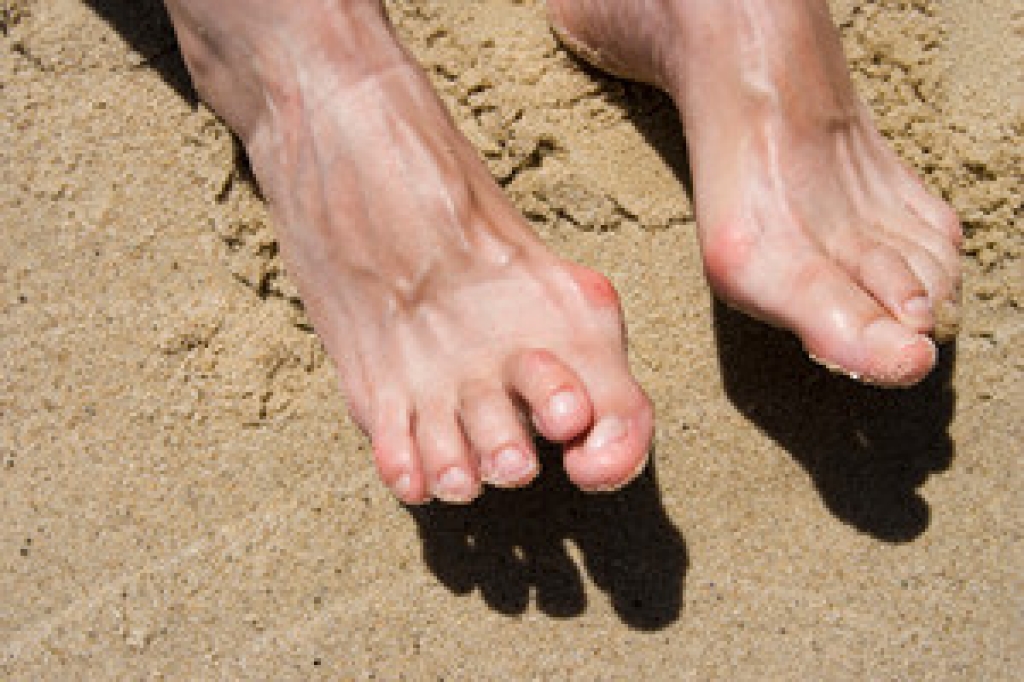
Hammertoe develops when a toe bends abnormally at its middle joint, creating a raised appearance. This deformity most often affects the second, third, or fourth toe. The change occurs when the muscles and tendons that control toe movement become unbalanced. Over time, the toe may remain bent. Foot structure and inherited traits may influence who develops hammertoe. Shoes with a narrow toe box may also crowd the toes and increase pressure on an existing deformity. Some people develop hammertoe along with bunions, which can change the position of neighboring toes. In its early stages, the affected toe may still be straightened out with gentle movement. As the deformity progresses, the joint may become stiff and harder to move. Recognizing these changes is important because the condition may gradually interfere with comfortable walking.
A bent toe does not always cause pain at first. However, the raised joint may rub against the inside of a shoe, creating irritation. Corns can develop on top of the bent joint, and calluses may form where pressure builds beneath the foot. These thickened areas of skin can become tender and make footwear uncomfortable. Some individuals notice redness or swelling around the affected toe. Others experience aching in the ball of the foot because the altered toe position changes how pressure is distributed. As the joint becomes less flexible, finding shoes that fit comfortably may become difficult. Pain may be especially noticeable after long periods of standing or walking. The severity of symptoms depends on the toe's flexibility, the amount of pressure involved, and the degree of deformity. A persistent change in toe shape should be evaluated even when discomfort seems mild.
A podiatrist examines hammertoe by assessing toe alignment, joint flexibility, and areas of painful pressure. The exam also considers foot structure and how the toes function during walking. Treatment depends on whether the toe remains flexible or has become rigid. A podiatrist may recommend footwear with additional toe space, protective padding, or orthotic support to reduce irritation. These approaches aim to improve comfort and limit pressure, although they do not necessarily straighten a fixed deformity. When symptoms are severe or the joint is rigid, the podiatrist may discuss additional treatment options. If you are experiencing painful bent toes or difficulty wearing shoes because of a hammertoe, it is suggested that you consult a podiatrist for an evaluation and appropriate treatment options.
Hammertoes can be a painful condition to live with. For more information, contact John Horlebein, DPM of Northern Cascades Foot & Ankle, LLC. Our doctor will answer any of your foot- and ankle-related questions.
Hammertoe
Hammertoe is a foot deformity that occurs due to an imbalance in the muscles, tendons, or ligaments that normally hold the toe straight. It can be caused by the type of shoes you wear, your foot structure, trauma, and certain disease processes.
Symptoms
- Painful and/or difficult toe movement
- Swelling
- Joint stiffness
- Calluses/Corns
- Physical deformity
Risk Factors
- Age – The risk of hammertoe increases with age
- Sex – Women are more likely to have hammertoe compared to men
- Toe Length – You are more likely to develop hammertoe if your second toe is longer than your big toe
- Certain Diseases – Arthritis and diabetes may make you more likely to develop hammertoe
Treatment
If you have hammertoe, you should change into a more comfortable shoe that provides enough room for your toes. Exercises such as picking up marbles may strengthen and stretch your toe muscles. Nevertheless, it is important to seek assistance from a podiatrist in order to determine the severity of your hammertoe and see which treatment option will work best for you.
If you have any questions, please feel free to contact our office located in Chelan, WA . We offer the newest diagnostic and treatment technologies for all your foot care needs.